
OPEC+ Maintains Cautious Stance on Oil Production
February 3, 2026
📈 Global Electricity Demand Set to Surge Through 2030
February 6, 2026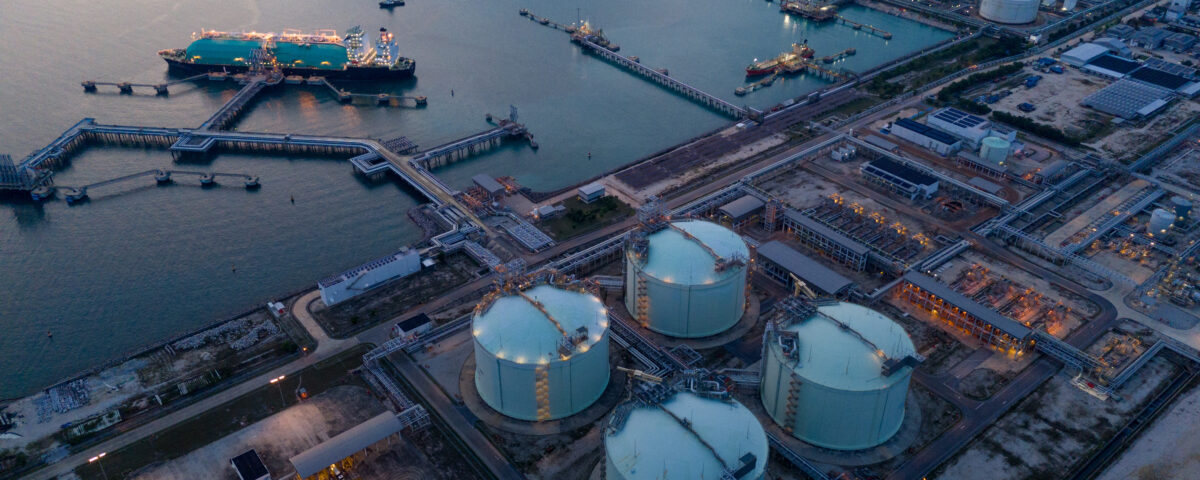
New data shows that Europe increased its imports of Russian liquefied natural gas (LNG) at the start of this year, highlighting ongoing challenges in the region’s energy transition.
In January alone, Europe imported almost 1.7 million tonnes of LNG from Russia’s Yamal LNG terminal, an 8% increase compared to last year, according to a report by environmental group Urgewald. Most of these shipments went directly to European ports, with only a small share heading to China.
This rise comes even though EU countries agreed in late 2025 to phase out Russian gas, with LNG imports set to be banned from early 2027 and all Russian gas imports ending by 2028.
Despite these plans, the EU remains Russia’s largest LNG customer. In 2025, EU member states spent around €7.2 billion on Russian LNG. France and Belgium were among the biggest importers, with France alone accounting for over 40% of Yamal LNG deliveries to Europe.
What does this mean for the energy market?
- Energy security pressures remain high – Europe is still heavily dependent on Russian LNG to meet winter demand, especially while renewable capacity and alternative gas supplies are scaling up.
- Prices and supply risks persist – Continued reliance on Russian gas exposes the market to political risk, potential sanctions, and supply disruptions, all of which can increase price volatility.
- Sanctions could tighten supply quickly – Campaigners are calling for restrictions on specialised LNG vessels used to transport Arctic gas. If implemented, these measures could sharply reduce Russian LNG flows to Europe, tightening the market further in the short term.
- Transition challenges are clear – The situation highlights the gap between Europe’s long-term energy policy goals and short-term reality. Replacing Russian LNG will require faster investment in renewables, infrastructure, storage, and diversified gas supply routes.
As the EU prepares further sanctions against Russia, including possible restrictions on maritime services, the coming months will be critical for Europe’s energy strategy. Balancing energy security, affordability, and decarbonisation remains a complex challenge for the market.