
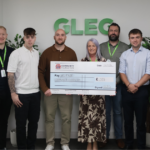
GLEG Becomes a Friend of the AFC Fylde Foundation
August 11, 2026
ESOS: Is Your Organisation Prepared?
August 13, 2026
For hospitality businesses, sustainability is no longer just an environmental consideration. It is increasingly becoming a commercial priority.
With customers, investors and corporate clients placing greater importance on sustainability and carbon reduction, hospitality businesses are facing growing pressure to demonstrate credible action.
The good news is that improving sustainability doesn’t necessarily mean making major investments straight away. A practical, data-led approach can help businesses reduce costs, improve efficiency and build a stronger position for the future.
Customer Expectations Are Changing
Hospitality businesses are increasingly being asked to provide evidence of their environmental credentials.
Corporate clients are requesting more ESG information when choosing venues and accommodation, while consumers are becoming more conscious of the environmental impact of where they stay, eat and spend their leisure time.
For businesses, strong sustainability credentials can help strengthen reputation, support customer retention and create opportunities for future growth.
Net Zero Doesn’t Have to Mean Huge Investment
There is often a perception that decarbonisation requires significant capital investment. In reality, an effective net zero strategy can be built gradually.
Starting with energy audits, operational improvements and better data can help identify practical opportunities to reduce consumption and costs before moving on to larger projects.
Depending on the business, this could eventually include technologies such as:
- Solar generation
- Battery storage
- Heat pumps
- Energy efficiency improvements
The key is understanding where the biggest opportunities are and prioritising investment based on commercial value.
Turning Energy Into a Business Opportunity
Energy is often treated simply as another operating cost, but when managed strategically, it can become an important part of a hospitality business’s wider commercial strategy.
Reducing energy consumption can lower costs, while better data and forward planning can help businesses manage risk and prepare for changing customer expectations and future requirements.
For hospitality businesses operating across multiple sites, even relatively small improvements can have a meaningful impact when delivered consistently across a portfolio.
Building Long-Term Resilience
Businesses that take a proactive approach to energy and sustainability are often better positioned to respond to changing market conditions, customer expectations and regulatory requirements.
The objective isn’t simply to reduce carbon. It’s about finding practical ways to reduce costs, manage risk and build long-term resilience while supporting wider sustainability goals.
How GLEG Can Help
At GLEG, we work with hospitality businesses to develop practical sustainability and decarbonisation strategies that align with their operational and commercial objectives.
From understanding current energy performance and identifying efficiency opportunities to developing longer-term decarbonisation plans, our approach is focused on practical actions that deliver value for the business.