
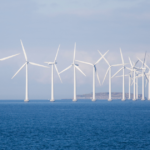
Port of Blyth Announces Major Expansion to Support Offshore Wind Growth
May 12, 2026
GLEG UK Energy Market Update 18-05-26…
May 18, 2026
Energy markets have remained highly reactive this week, with ongoing tensions between the US and Iran continuing to influence oil, gas, power and carbon pricing across global markets. Concerns around supply disruption and uncertainty surrounding potential peace negotiations have kept markets volatile, with traders closely watching developments around the Strait of Hormuz and President Trump’s visit to China.
Oil and Gas Prices Push Higher
Crude oil prices moved sharply higher on Tuesday after President Trump dismissed Iran’s latest peace proposal, increasing concerns over prolonged disruption in the Middle East. Brent crude climbed by 3.4% to $107.77 per barrel, while WTI rose by more than 4% to just above $102 per barrel. Markets are now looking towards possible diplomatic progress during Trump’s China visit, which could help support efforts to reopen shipping routes through the Strait of Hormuz.
Gas markets also strengthened, with the NBP spot contract rising to 118 p/therm as uncertainty around LNG flows and Middle East tensions continued to support prices. Further along the curve, the Winter 2026 contract edged higher as Europe prepares for stronger LNG competition with Asia during the summer months.
Mixed Signals Across European Power Markets
European power markets saw contrasting movements this week. German day-ahead prices climbed sharply due to expectations of weaker wind and solar generation, increasing reliance on conventional power sources. In contrast, French prices fell significantly following the earlier-than-expected return of EDF’s Gravelines 6 nuclear unit, helping improve supply availability.
Further along the curve, pricing remained mixed as traders balanced movements in both gas and carbon markets. Germany’s 2027 contract eased slightly, while the French equivalent moved modestly higher.
Carbon Markets Ease After Earlier Rally
European carbon markets softened during the week as traders took profits following Monday’s rally and trading activity remained relatively subdued during the Argus carbon event in Nice. As a result, EU carbon prices for December 2026 delivery fell by nearly 2% to 75.81 EUR/tonne.
Overall, global events continue to have a direct impact on market direction, with energy prices remaining sensitive to geopolitical developments and supply concerns. Staying informed remains increasingly important for businesses navigating a fast-moving and unpredictable energy landscape.
At GLEG we help businesses navigate this volatility with structured hedging and disciplined procurement strategies. For more details on how we can support your business email hello@gleg.co.uk