

BICS Applications Are Now Open
October 7, 2026
GLEG UK Energy Market Update 12-10-26…
October 12, 2026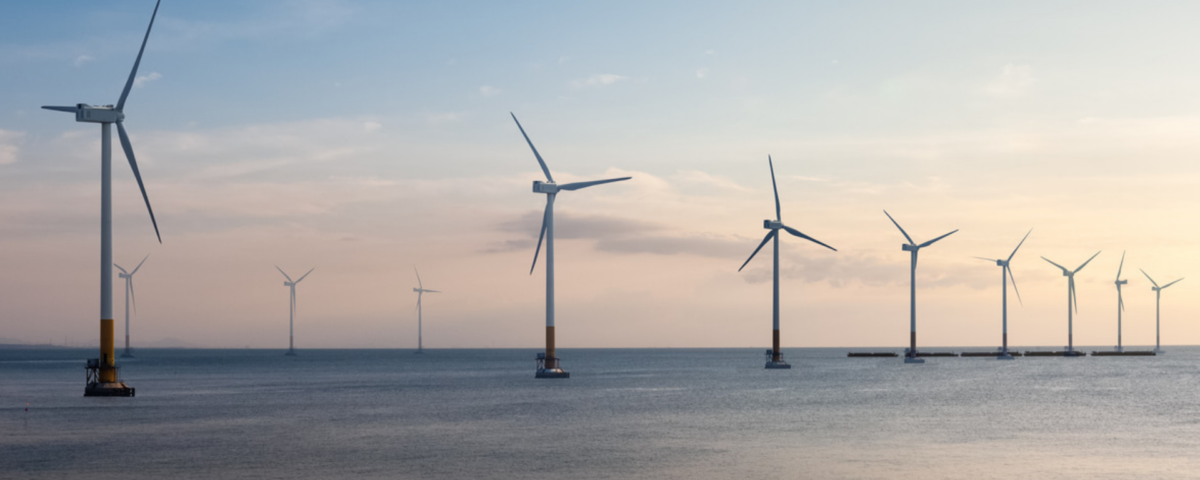
Floating offshore wind continues to gain momentum, with global capacity increasing by 38% over the past year to reach 382MW, according to RenewableUK’s latest EnergyPulse report.
The growth highlights the increasing role floating wind could play in the future energy mix and the UK is well positioned to benefit.
The UK is a key floating wind market
Norway currently leads the sector with 97MW of operational capacity, followed by France with 87MW. The UK is third with 78MW.
However, it’s the development pipeline that really stands out.
The UK currently has around 28.4GW of floating wind projects in its pipeline, including almost 14GW progressing through Scotland’s offshore planning system and a further 4.5GW leased in the Celtic Sea.
There are also around 300 floating wind projects across 26 countries, representing a global pipeline of approximately 152GW.
A record year for floating wind?
2026 is expected to be the strongest year yet for global floating wind installations, with 109MW forecast to become operational. This would exceed the previous annual record of 108MW set in 2023.
Looking ahead, global floating wind capacity could reach around 1.7GW by 2030, with China expected to account for approximately 66% and the UK around 16%.
RenewableUK estimates that UK floating wind capacity could reach 1GW by 2032 and potentially 3GW by 2034, assuming projects continue to progress through development and consenting.
What does this mean for businesses?
Floating wind could open up access to offshore wind resources in deeper waters that aren’t suitable for traditional fixed-bottom turbines, increasing the UK’s potential for renewable generation.
However, more renewable generation doesn’t automatically mean lower electricity prices.
Wholesale energy costs continue to be influenced by a wide range of factors, including gas prices, weather, demand, network constraints and the balance between different sources of generation.
For businesses, the continued development of technologies such as floating wind is another reason to keep a close eye on how the energy market is evolving.
Understanding these changes can help businesses make better-informed decisions around energy procurement, costs and longer-term strategy.
At GLEG, we help businesses navigate changing energy markets and develop energy strategies that support their commercial objectives.
If you’d like to understand what changes in the energy market could mean for your business, get in touch with the GLEG team at hello@gleg.co.uk