

Three Ways Hospitality Businesses Can Reduce Energy Costs and Improve Sustainability
June 30, 2026
GLEG UK Energy Market Update 06-07-26…
July 6, 2026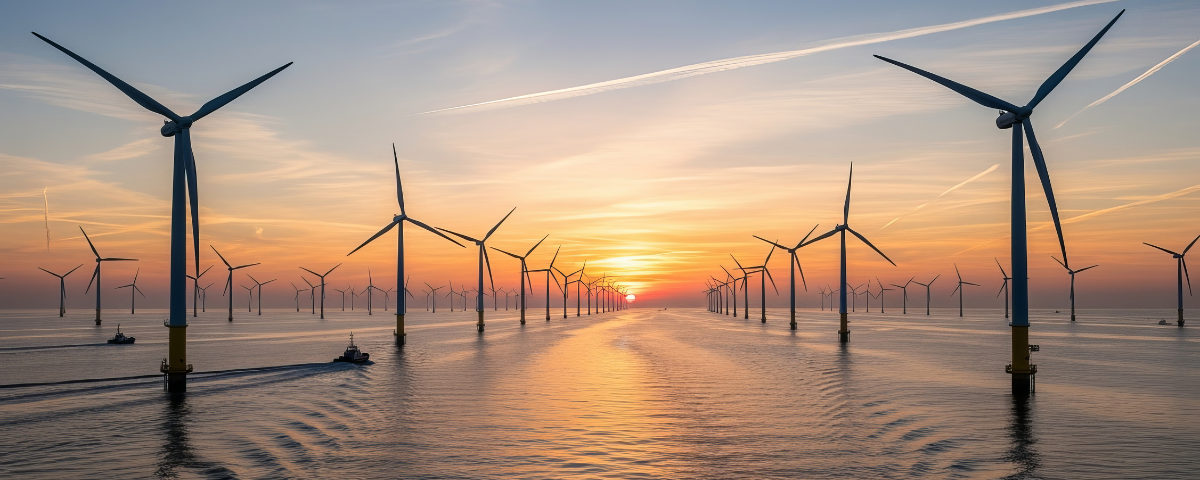
The UK’s transition to a low-carbon economy relies on more than renewable energy projects, it also depends on developing the skilled workforce needed to deliver them.
Scotland has announced £1.7 million of funding to support offshore wind training, engineering programmes and regional skills development. While the investment is focused on Scotland, it reflects the UK’s continued commitment to expanding offshore wind and strengthening the renewable energy sector.
Building the Skills for Growth
As offshore wind projects continue to increase across the UK, investment in people will be just as important as investment in infrastructure. A skilled workforce will be essential to designing, building and maintaining the next generation of renewable energy projects, while creating new opportunities across engineering, manufacturing and the wider supply chain.
Why It Matters for Businesses
Investment in offshore wind supports more than the UK’s Net Zero ambitions. Increasing renewable generation has the potential to improve energy security, strengthen domestic supply chains and reduce reliance on imported fossil fuels.
For businesses, it also highlights the continued shift towards a more electrified energy system. As organisations invest in low-carbon technologies and renewable solutions, understanding how the energy market is evolving will become increasingly important.
Looking Ahead
Major developments, including the proposed 1GW Buchan Offshore Wind Farm, demonstrate the scale of investment taking place across the UK. While these projects will take time to deliver, they reinforce the long-term direction of travel for the UK’s energy sector.
For businesses, now is the time to review energy strategies, improve resilience and prepare for an increasingly renewable electricity system.